

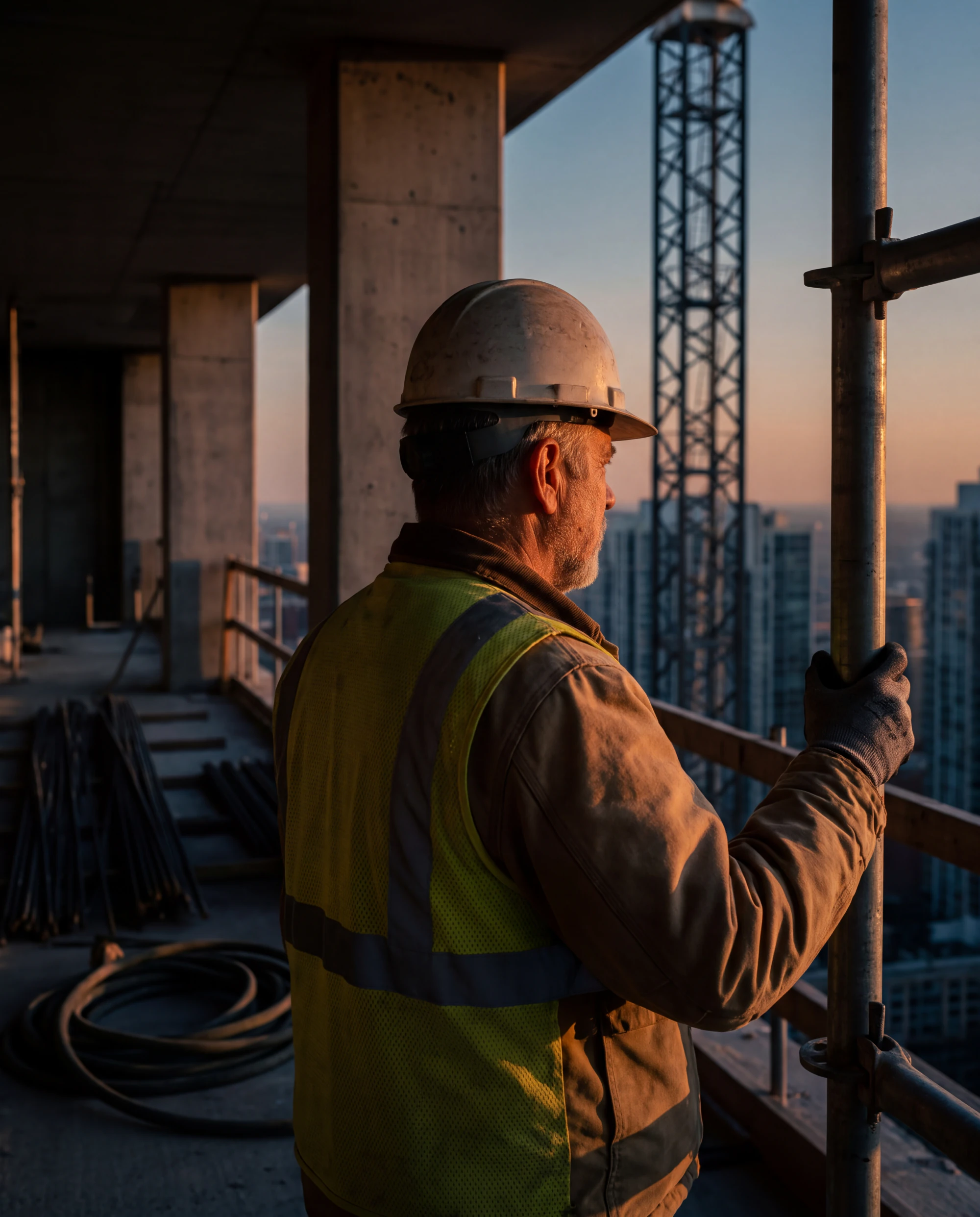
Who does a Chicago construction injury lawyer represent?
People seriously hurt, and the families of people killed, on construction sites in Chicago, Cook County and across Illinois. A construction accident can happen on a residential, commercial or industrial site, and it can injure
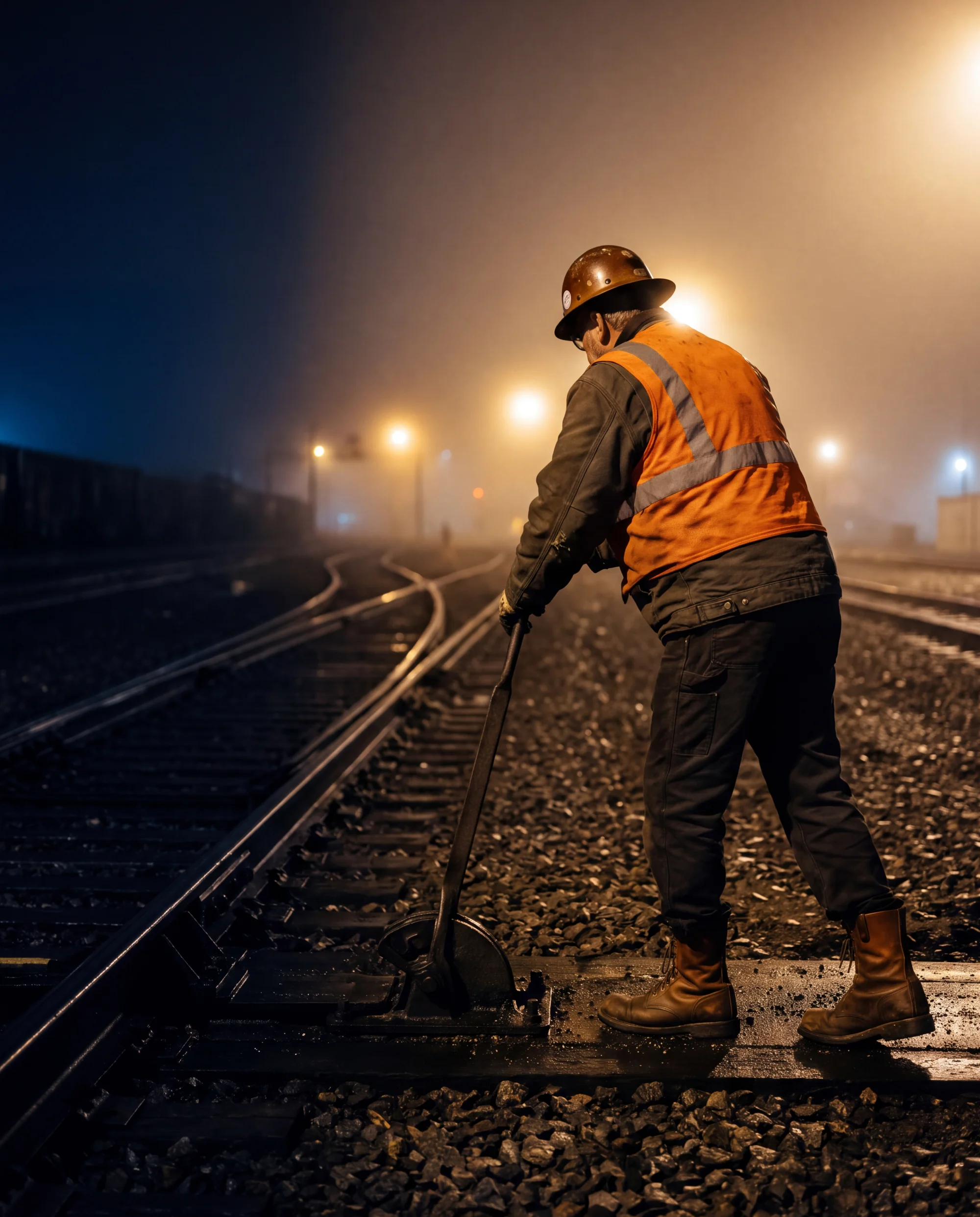
- Laborers, carpenters, electricians, ironworkers, plumbers, masons, painters, sheet metal workers and welders
- Crane operators and heavy equipment operators
- Bystanders and pedestrians hurt near a construction site
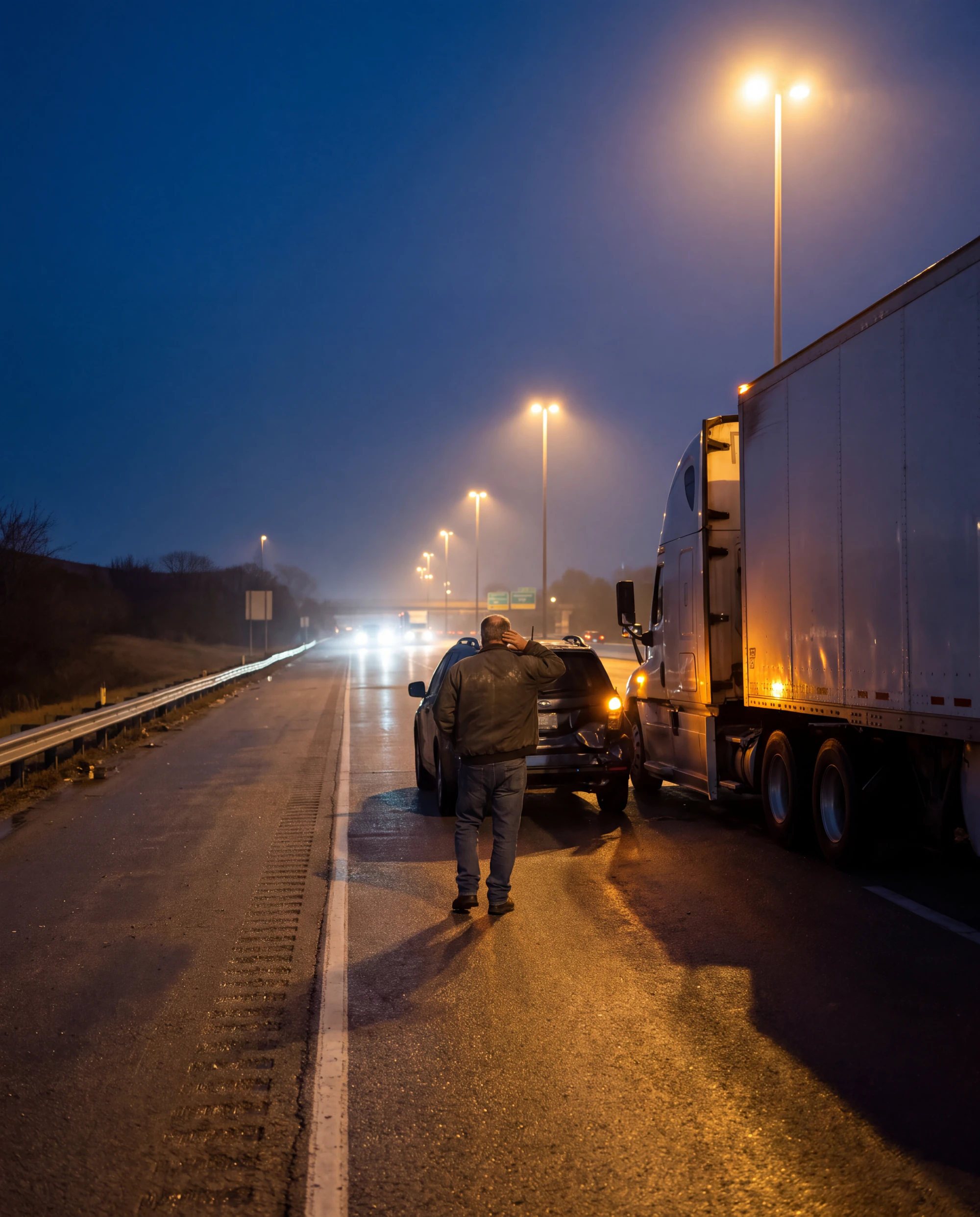
- Drivers hurt in a highway construction zone
Which construction accidents cause the most serious injuries?
Our construction accident lawyers handle the complex litigation that follows
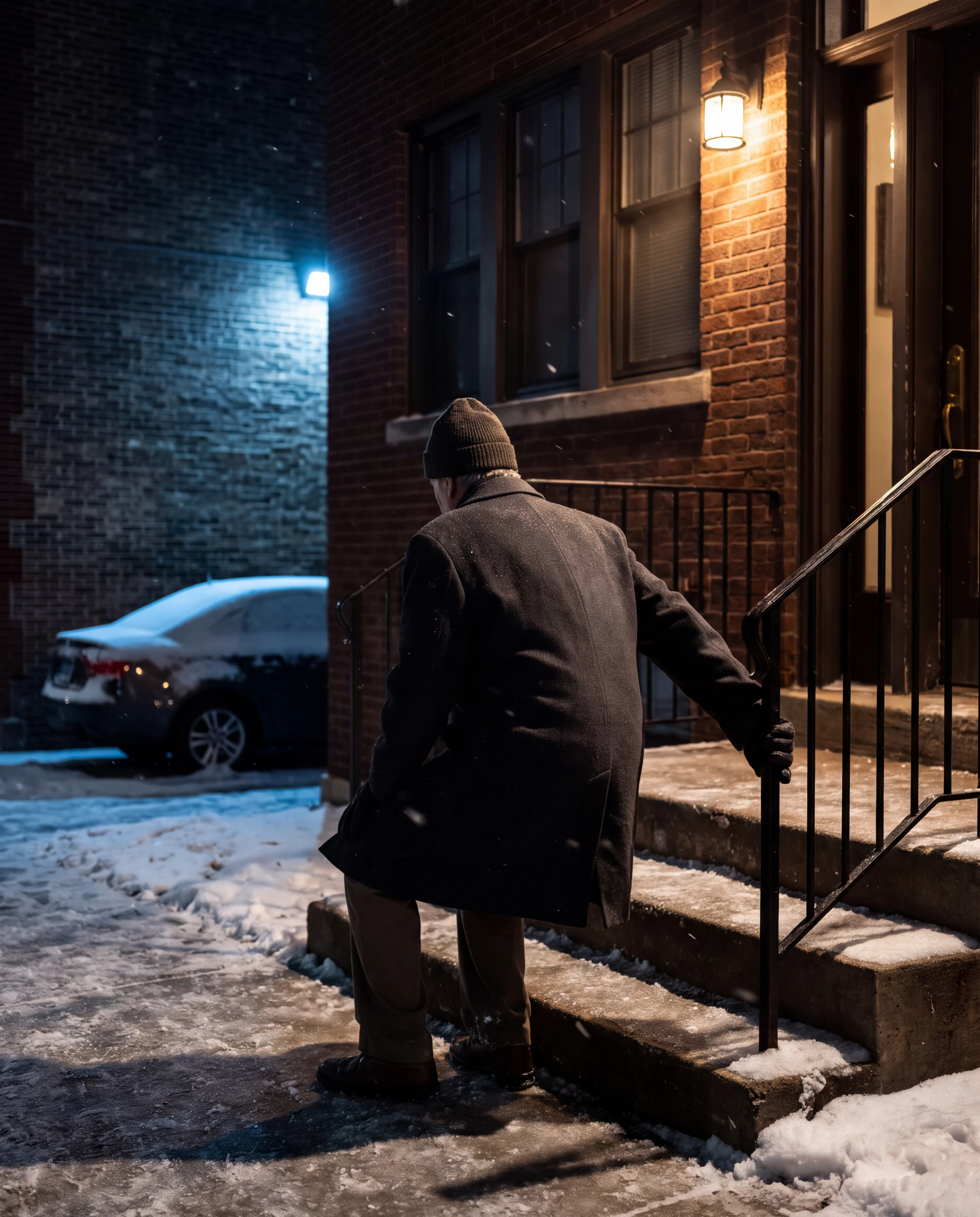
- Falls from a roof, ladder or platform
- Scaffolding accidents and trench collapses
- Electrical shock, explosions and fires
- Compressed gas and welding accidents
- Mobile and operating equipment, cranes and lifting equipment failures
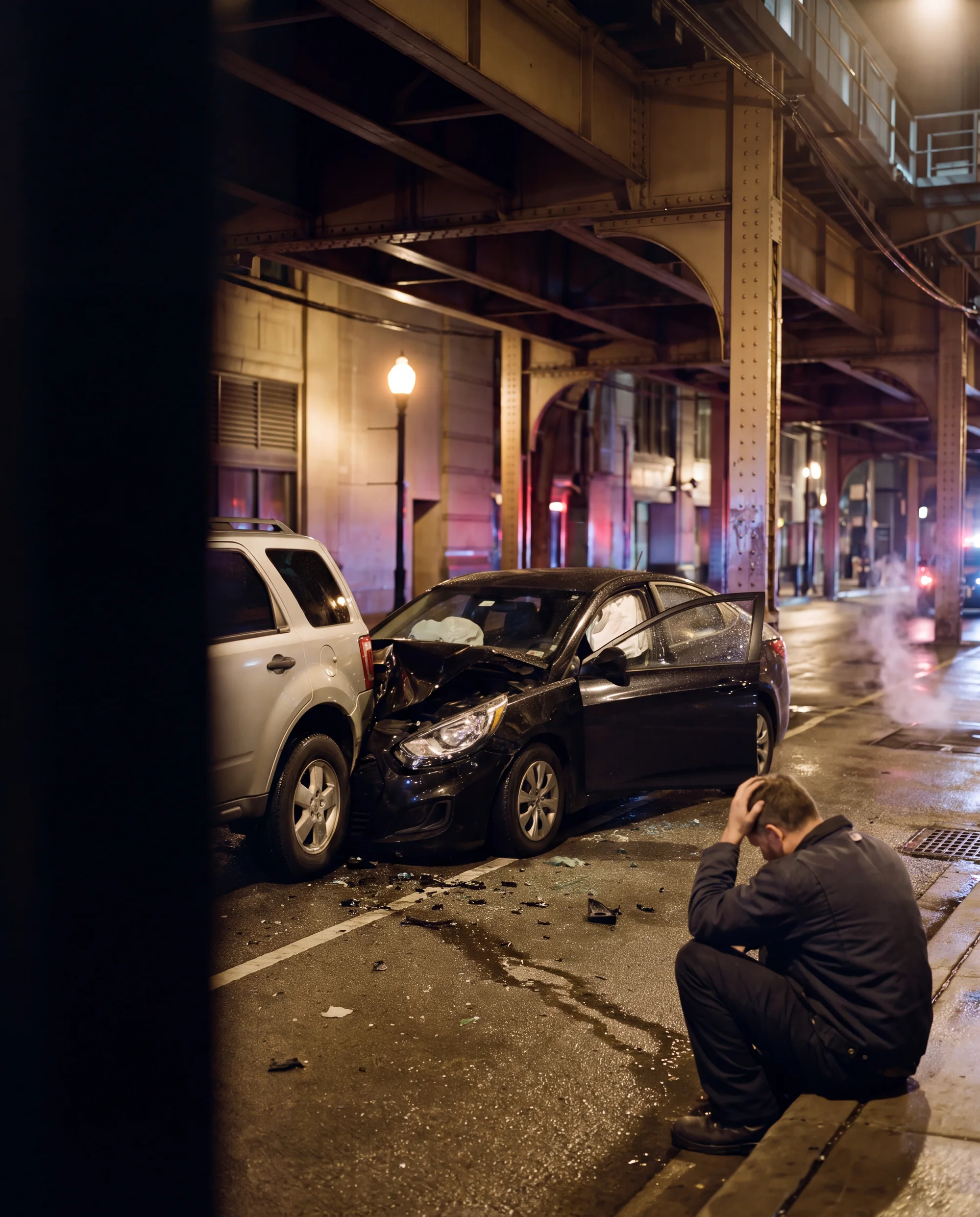
- Truck and car accidents on or near the site
Falls lead the list for a reason. Fall protection in construction, 29 C.F.R. § 1926.501, was the standard OSHA cited most often in fiscal year 2024, and the scaffolding and ladder standards are also on its top ten list.
Who is liable for a scaffolding injury in Chicago?
Usually the companies that built, controlled or supplied the scaffold, not the injured worker’s employer alone. Federal safety rules set the baseline. Under 29 C.F.R. § 1926.451, each scaffold must support its own weight and at least 4 times its maximum intended load, and each worker on a scaffold more than 10 feet above a lower level must be protected from falling. A scaffolding collapse or fall can point to
- The general contractor that ran the site and controlled the work
- The subcontractor that erected or moved the scaffold
- The property owner
- The company that rented, supplied or made a defective scaffold component
Whether a contractor is responsible often turns on how much control it kept over the work and the safety on site, which is why we gather the contracts, safety plans and daily logs early.
What about heavy equipment and crane accidents?
Excavators, cranes, forklifts, milling machines and other heavy equipment cause crush injuries, amputations and deaths. These cases turn on the operator’s training, the machine’s blind spots and alarms, spotters and lookouts, and the equipment’s design and maintenance.
The firm obtained a seven-figure settlement for the two children of a laborer killed by a self-propelled pavement milling machine, after the contractors positioned its operator in a blind spot and failed to post lookouts. We also won a $1,850,000 jury verdict against the maker of a cutting machine built without a proper finger guard or emergency stop. Past results do not guarantee a similar outcome.
Workers’ compensation or a lawsuit, what is the difference?
An injured worker can often have both. They answer different questions.
- Workers’ compensation is the claim against your employer. Under 820 ILCS 305/5(a), it is generally your only remedy against the employer. It pays medical bills and part of your lost wages without proving fault, but it cannot adequately compensate you for permanent injuries and disability, and it pays nothing for pain and suffering.
- A third-party lawsuit is the claim against anyone else whose negligence caused the injury. Section 5(b) of the same Act preserves it. It requires proof of negligence, and it can recover full damages.
When the third-party case is resolved, the employer is generally repaid what it paid in compensation, minus its share of the attorney fees and costs. We account for that from the start.
Who can be held liable for a construction accident?
Contractors and site owners are responsible for providing a reasonably safe construction site. When a worker or anyone else is seriously hurt or killed at or near a construction site, responsibility can reach
- The property owner
- The general contractor
- Subcontractors working on the site
- The architect or engineer
- The manufacturer of equipment that broke or failed
Illinois law makes naming every party worthwhile. Under 735 ILCS 5/2-1117, every defendant found liable owes all of your medical expenses, and a defendant 25% or more at fault owes all of your other damages too. Your employer’s share of fault is left out of that 25% calculation.
What injuries do construction accidents cause?
A serious construction injury brings large medical bills and long stretches off work. Our clients have suffered
- Amputation
- Blindness and disfigurement
- Brain damage, closed head injury and traumatic brain injury
- CRPS, complex regional pain syndrome, and RSD, reflex sympathetic dystrophy
- Crush injuries and multiple broken bones
- Paralysis, spinal cord injury and permanent disability
- PTSD, post traumatic stress disorder
- Wrongful death, covered on our wrongful death page
How long do you have to file a construction injury lawsuit in Illinois?
Generally 2 years from the injury, under 735 ILCS 5/13-202, and generally 2 years from the death in a wrongful death case. When a city, county or other public body owns or runs the project, the deadline is generally 1 year. Workers’ compensation claims follow their own deadlines.
Why hire Hoey, Farina & McMahon as your Chicago construction injury lawyer?
The accident needs to be investigated immediately, before the site changes and the equipment is repaired. Our construction accident attorneys, investigators, paralegals and legal assistants protect your rights, provide compassionate service throughout the claim, and work to get you the results you deserve. Since 1981 James L. Farina has limited his practice to seriously injured people, including construction negligence cases, and the firm tries cases in Cook County and in federal court.
No upfront fees or charges are required, and your case evaluation is free. We collect a fee only after we obtain a settlement or verdict for you. No fee unless we win.